The right pump, sized for your site.
An oversized pump wastes power every hour it runs. An undersized one never fills the tank. We measure head, discharge and pipe run before recommending anything — then supply it, install it and protect it.
Every kind of pump, for every kind of source
Each of these solves a different problem. Picking the wrong category costs more than picking the wrong brand.
 Home
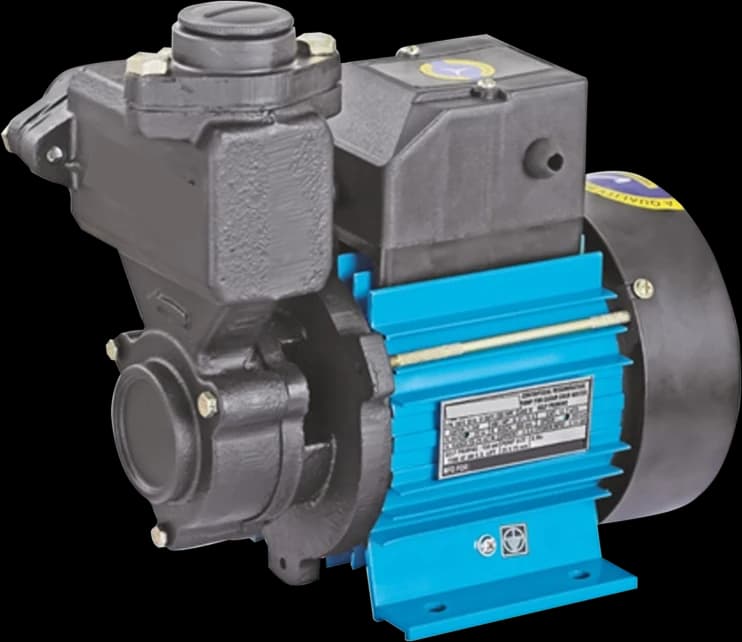
HomeSelf-Priming Monoblock
The workhorse for a normal house. Draws from a sump or direct line and fills the overhead tank. It primes itself, so you don't have to pour water in every time it runs dry.
- Typical rating
- 0.5 HP – 2 HP
- Head range
- up to ~36 m
- Discharge
- up to ~2,800 LPH
- Pipe size
- 25 × 25 mm
- Body
- Aluminium / cast iron
- Impeller
- Brass forged
 Farm
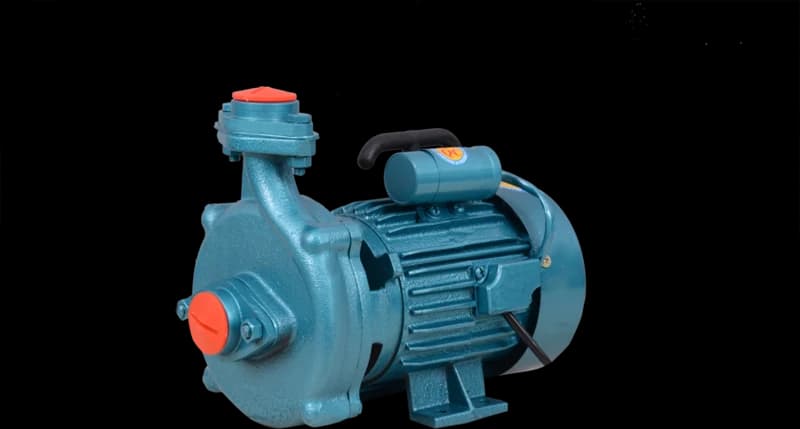
FarmOpen Well Submersible
Sits submerged in an open well and pushes water up without a foot valve or priming. Quiet, efficient, and it cannot run hot in air because the water around it cools it.
- Typical rating
- 1 HP – 5 HP
- Phase
- Single & three phase
- Cooling
- Water / oil cooled
- Application
- Open wells, tanks, ponds
- Duty
- Filling & de-watering
- Protection
- Dry run, overload
 Farm
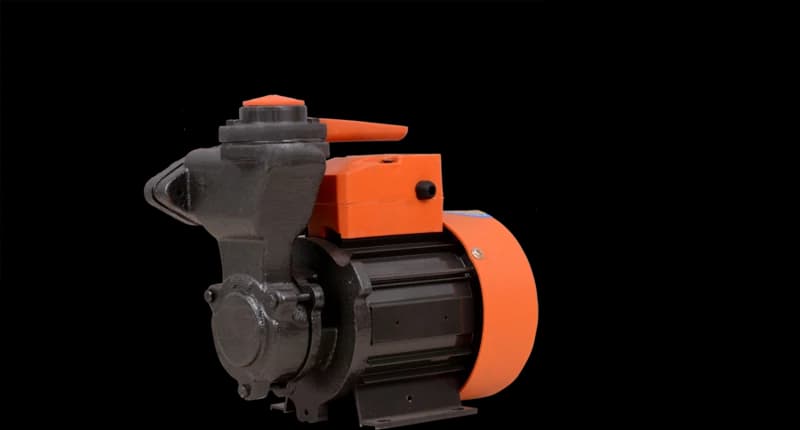
FarmBorewell Submersible
The long, slim set that goes down the borewell casing. We match the stage count to your static water level and the head you actually need — oversizing here wastes power every single hour.
- Typical rating
- 1 HP – 20 HP+
- Phase
- Single & three phase
- Drive option
- VFD / solar drive
- Cable
- Sine filter beyond 500 ft
- Application
- Deep borewells
- Protection
- Dry run, single phasing
 Farm
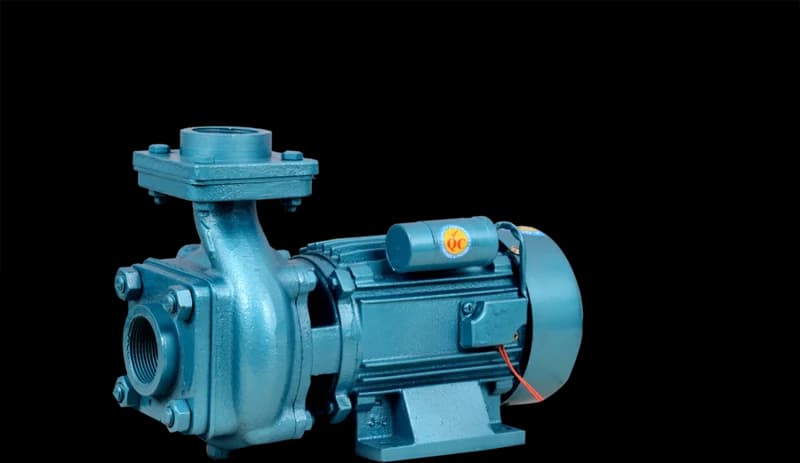
FarmCentrifugal Monoblock
Surface-mounted, high-discharge pumping for canals, ponds and shallow sumps. Best where you need volume rather than height.
- Typical rating
- 1 HP – 10 HP
- Strength
- High discharge
- Mounting
- Surface, on foundation
- Application
- Ponds, canals, sumps
- Phase
- Single & three phase
- Duty
- Continuous
 Home
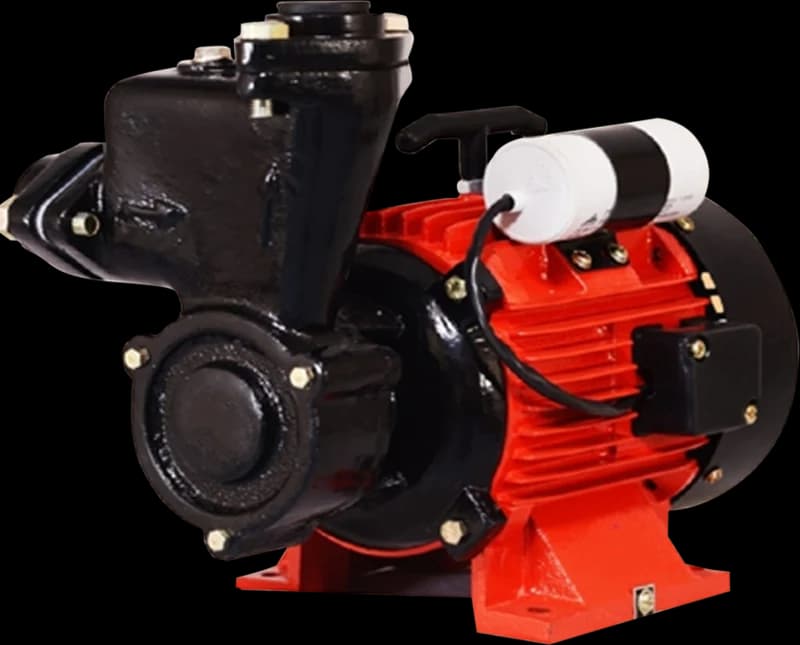
HomePressure Boost Pump
Fixes the weak shower on the top floor. Senses flow and pressure, starts the moment a tap opens, and stops when it closes. Sized from one bathroom up to a whole building.
- Single point
- One bathroom / kitchen
- Multi point
- Whole house, multi-storey
- Control
- Pressure / flow switch
- Advanced
- VFD constant pressure
- Protection
- Dry run, overload
- Enclosure
- IP65 controller option
 Home
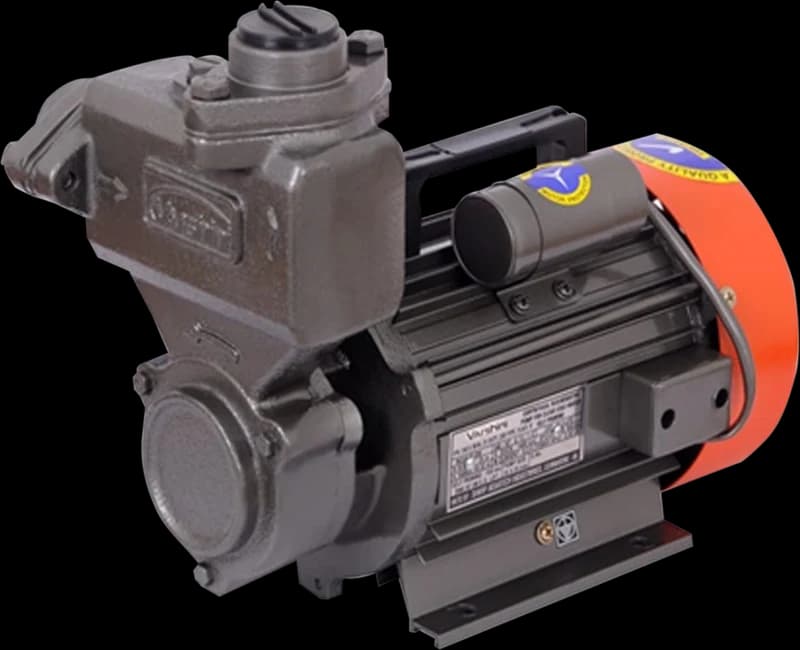
HomeJet & Compressor Pump
For deeper suction than an ordinary surface pump can manage — shallow borewells and low water tables where a self-priming set gives up.
- Typical rating
- 0.5 HP – 2 HP
- Strength
- Deep suction lift
- Application
- Shallow borewells
- Mounting
- Surface
- Phase
- Single phase
- Duty
- Domestic
Ratings shown are indicative ranges across common models. Exact head, discharge and material specifications are confirmed against your site conditions at the time of quotation.
From one weak shower to a whole building
The overhead tank gives you gravity, and gravity gives you almost nothing on the top floor. A boost pump fixes it — the question is just how big a boost you need.
Single point
One bathroom or kitchen
A compact booster with an in-built pressure switch. Retrofits onto the existing line in an afternoon.
- Up to 16 A single phase
- IP65 enclosure
- Digital pressure display
- Built-in dry run protection
Multi point
A full house or small building
A larger booster set sized to simultaneous demand, so two showers and a washing machine don't fight each other.
- Sized to peak simultaneous flow
- Soft start to avoid water hammer
- Automatic and manual modes
- Overload and phase protection
Constant pressure (single VFD)
Apartments and commercial premises
A variable frequency drive holds pressure steady by changing pump speed with demand, instead of banging on and off.
- Stable pressure at every tap
- Energy saving at part load
- Soft start and soft stop
- HMI with live pressure display
Constant pressure (multi VFD)
High-rise and industrial
Each pump gets its own drive, with automatic lead-lag sequencing and staging so run hours stay even across the set.
- Independent VFD per pump
- Automatic pump staging
- Lead-lag equal utilisation
- Per-pump fault diagnostics
Four things we check before quoting
This is the part most people skip, and it's the part that decides whether you're happy with the pump in three years.
Total head
Not just the height to the tank — every bend, valve and metre of pipe adds friction loss. A pump chosen on vertical height alone will underperform on a long horizontal run.
Required discharge
How many litres per hour you actually need, and in what window. Filling a 1,000 L tank in twenty minutes and in two hours are two very different pumps.
Water source
Open well, borewell, sump or direct line. Suction lift limits what a surface pump can do — beyond about 7 metres you need a submersible or a jet pump, no matter the HP.
Supply quality
Single phase or three phase, and how badly the voltage swings. In weak rural supply areas we specify wide-voltage starters rather than pretending the problem doesn't exist.
Protection comes as standard, not as an upsell
Every motor installation we do includes protection appropriate to the supply. A rewinding bill and a week of lost irrigation always cost more than the relay that would have prevented them.
Not sure what size you need?
Tell us the water source, how high the water has to go, and what it's feeding. We'll do the head and discharge calculation and recommend a pump that fits.